
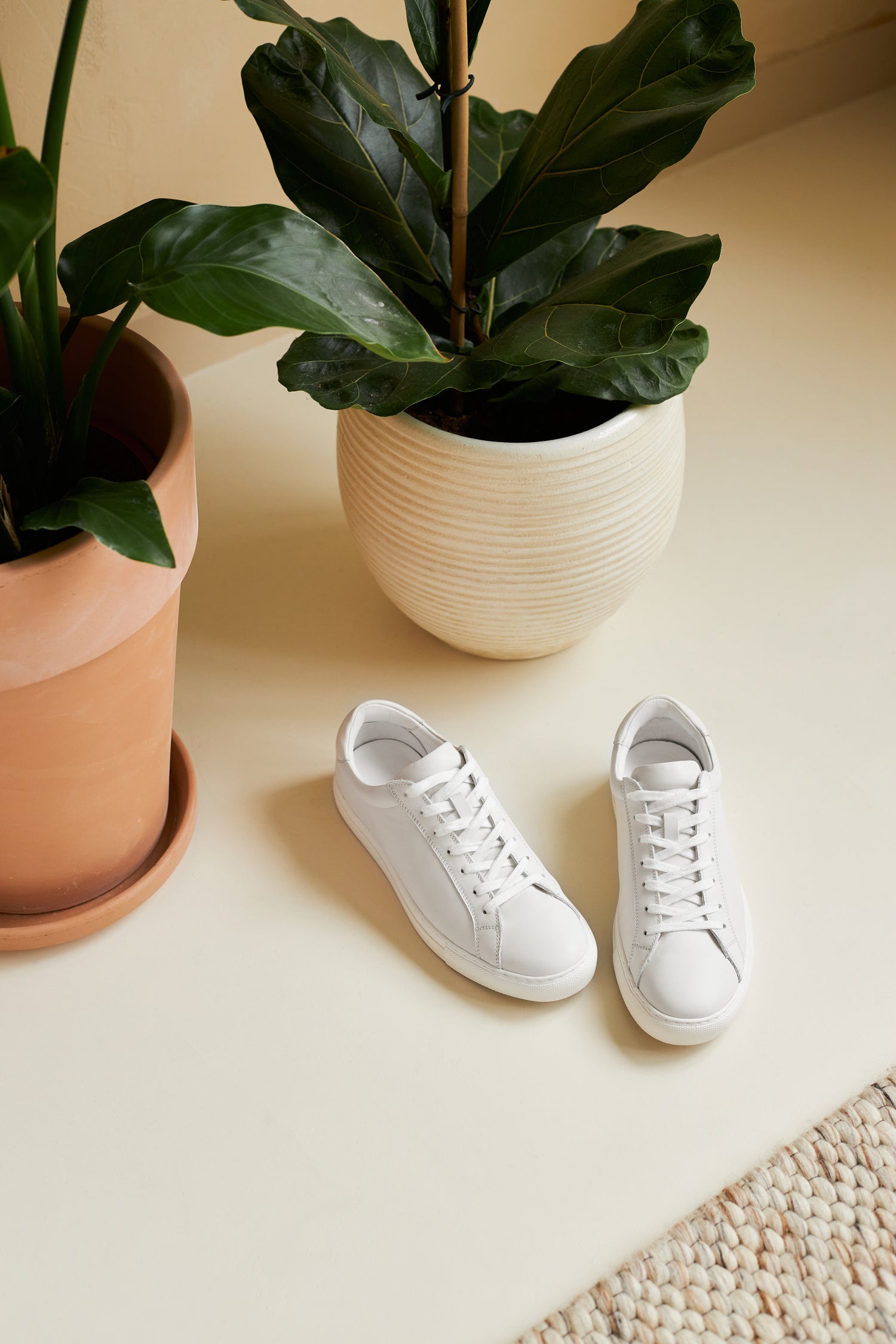
Sneakers feel light, but their footprint is not. Studies estimate that a single pair of sneakers generates roughly 14 kilograms of CO2 over its life - about the same as leaving a 100-watt bulb on for a full week. Multiply that by the hundreds of millions of pairs sold every year and the scale becomes hard to ignore.
Where the emissions come from
Most of the impact happens before a shoe is ever worn:
- Materials: synthetic foams, plastics and treated leathers are energy-intensive to produce.
- Manufacturing: a sneaker is made of dozens of parts, often assembled with heat and glue in factories running on fossil power.
- Transport: components and finished shoes are shipped around the world before they reach you.
The disposable problem
The bigger issue is what happens next. Cheap shoes are designed to be replaced, not repaired, and hundreds of millions of pairs end up in landfill every year, where mixed materials take decades to break down. A low price almost always hides a high environmental cost.
Why circular changes the maths
You cannot make a shoe with zero footprint. But you can make that footprint count for far longer. Two things matter most:
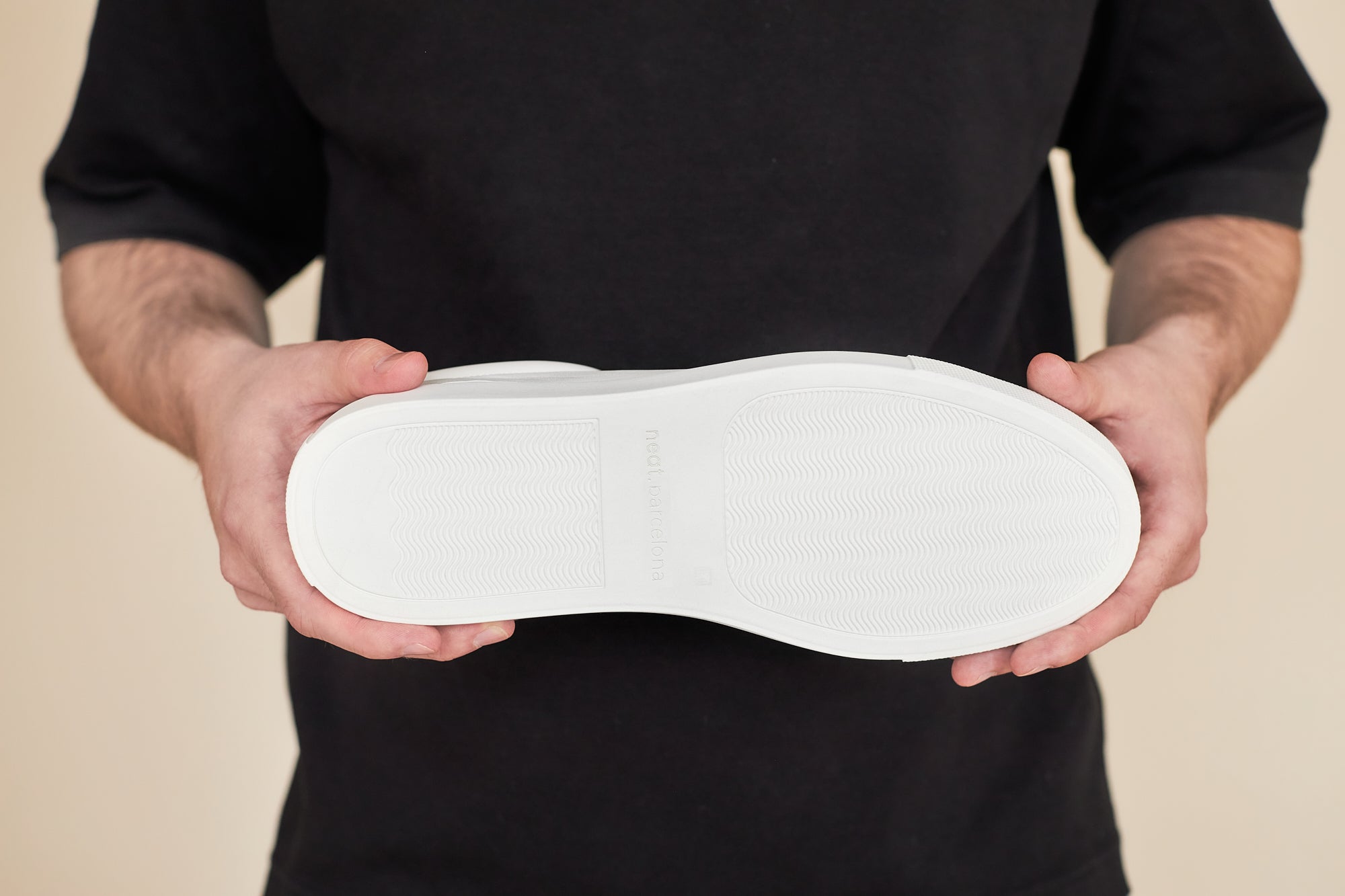
- Durability: a pair built from premium leather and a resoleable construction lasts years, not months - so the carbon spent making it is spread across a much longer life.
- Keeping materials in use: a trade-in programme means worn pairs are refurbished or recycled instead of buried.
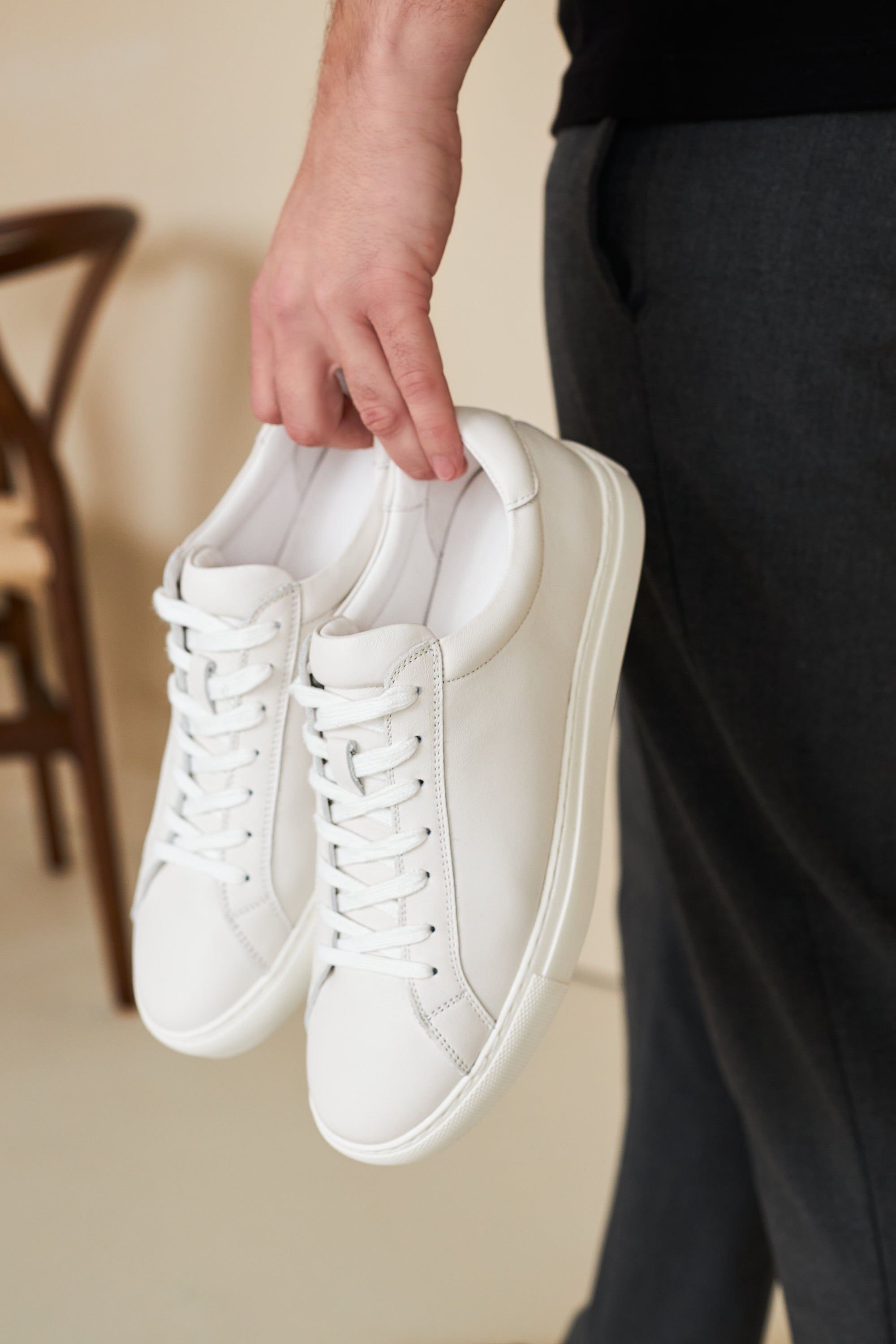
That is the thinking behind The Essential: one durable, handcrafted pair, shipped carbon-neutral, and a €40 trade-in so your old shoes never become waste. The greenest sneaker is the one you do not have to replace.

Leave a comment
This site is protected by hCaptcha and the hCaptcha Privacy Policy and Terms of Service apply.